Accent pieces in interior design are nothing new–whether it’s art, an entire wall, or a funky furniture set, the idea of adding intrigue to a space with an accent is a common tactic. Accent flooring, however, is one interior design strategy that people either don’t consider or are too afraid to commit to. That is, until now.
If you’re looking to freshen up a space or are ready to tackle an entire redesign, 2025 is the year to consider spicing up what’s right under your feet. Flooring is, after all, one of the most highly used areas of the home. Investing in the right product and design can make a world of difference!

Let’s explore the principles of accent pieces, the best flooring options for different needs, and how to tie it all together to bring accent flooring into your home this year.
Defining Accents in Interior Design
Merriam-Webster does a great job at breaking down the idea of an “accent” in interior design into an easily digestible concept. Accordingly, accent can be defined as:
- emphasis laid on a part of an artistic design or composition;
- an emphasized detail or area
- especially: a small detail in sharp contrast with its surroundings
- a substance or object used for emphasis
The key word here is emphasis. Any accent choice in interior design is meant to bring attention to itself while also (and this is critical) not taking away from the cohesiveness or aesthetic of a space. It is meant to enhance the overall appearance of the room and distract just enough that it draws the eye, and then keeps your gaze moving through the space.

Types of Accent Pieces
As alluded to, there are a number of ways to incorporate an accent into a space. Sometimes an accent is as simple as a single wall color, while other times it can be a dramatic light fixture or a piece of abstract art.
Accent Colors

Accent colors are one of the easiest ways to add some visual interest to a space. When choosing a color palette, an accent color will either act to complement or supplement your main color choice.
An accent color’s job is to balance out the space with just enough visual contrast. A good rule of thumb is to use the 60-30-10 design ratio, which suggests 60 percent of the room, furniture, and decor be your main color, 30 percent be made up of a primary accent color, and 10 percent be devoted to a secondary accent color.
Accent Furniture

The primary function of accent furniture is its aesthetics, so while it may not always be a plush, comfortable couch, it is sure to at least look good. One tip for choosing accent furniture is to opt for pieces that can be both functional and appealing to the eye. This can include coffee tables, TV stands, end tables, credenzas, storage chests, and trunks.
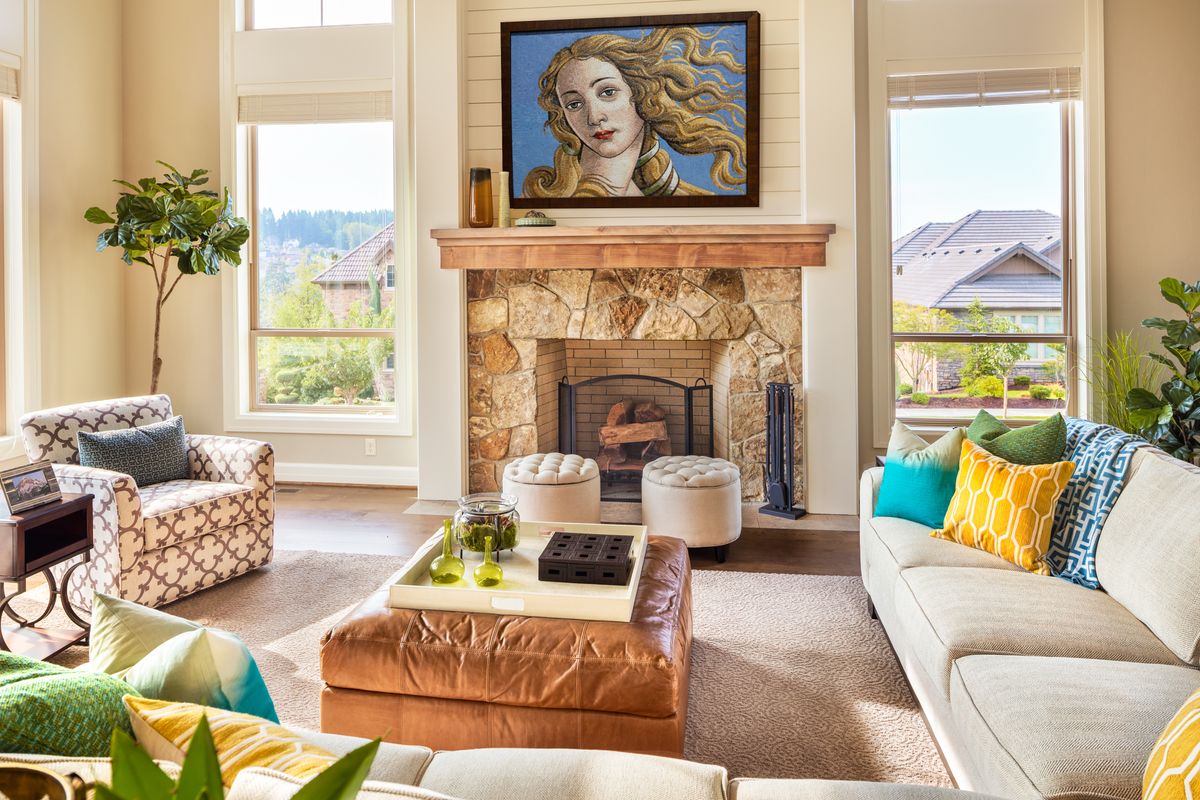
Accent furniture doesn’t have to be rigid and uncomfortable, though. Fun pieces like poufs, ottomans, and oversized chairs can pull double duty by elevating a room’s decor and helping you lounge at the same time.
Accent Flooring

Now, to the main event. Accent flooring is deserving of a category all its own. Not only is it versatile, but it is also one of the most heavily trafficked areas in any home. While walls may take up as much as or even more space than floors, the latter gets walked all over while the former remains relatively untouched.
Incorporating accent flooring doesn’t mean a room’s entire floor has to stand out–though it certainly is an option! Even the right doormat can work as an accent flooring piece. Textured area rugs, unique tile patterns, pops of color, and detailed wood grain can all serve as the perfect accent flooring choice when placed in the appropriate space.
Accent Flooring Options
We’ve scratched the surface, but there’s so much more to explore when it comes to accent flooring.
Wood

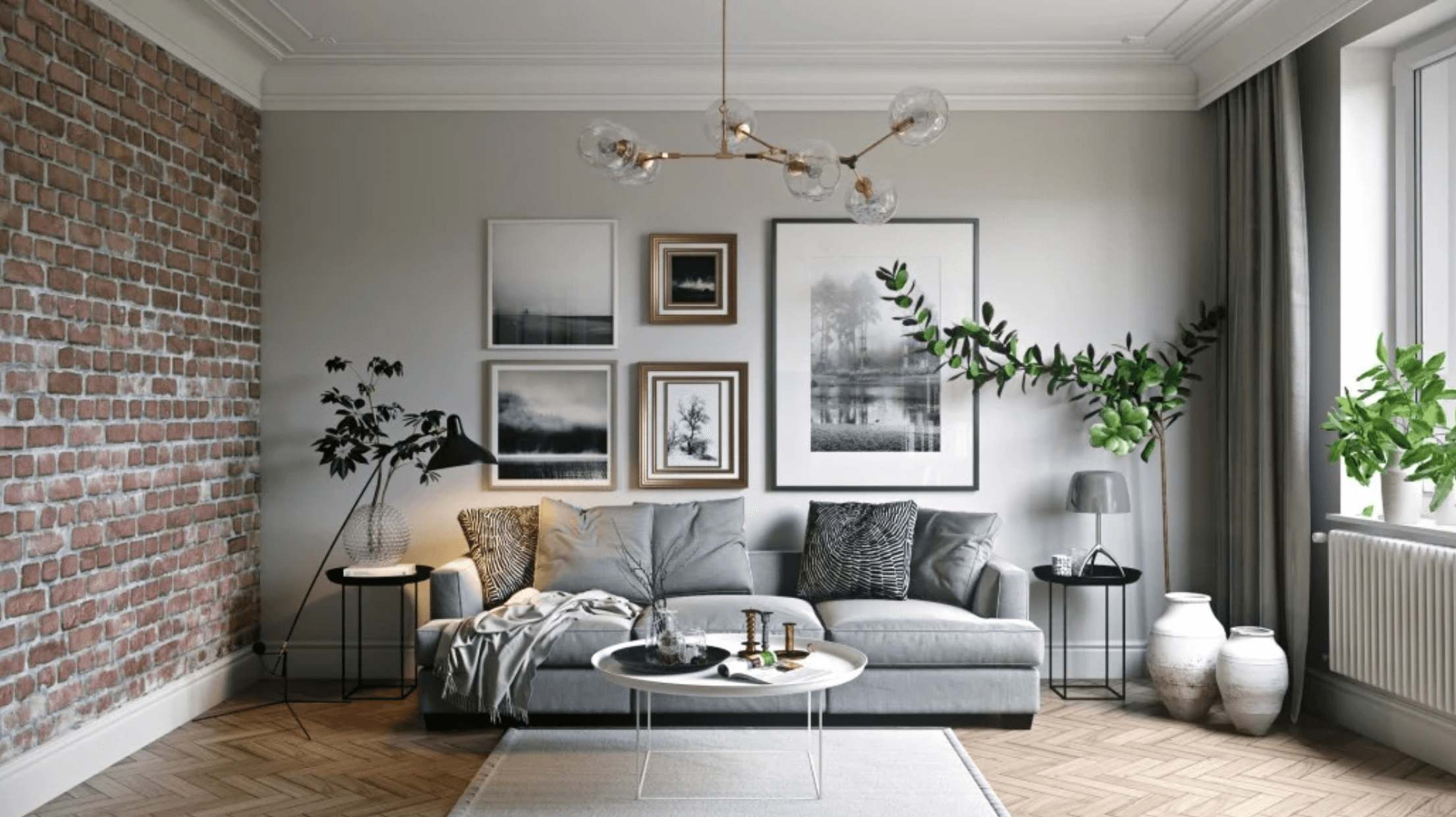
While it sounds like one of the most basic flooring options available, there are so many ways to make wood flooring the star of the show. For example, parquet flooring can be used to create intricate designs through the use of wood flooring installed in different directions and/or in differing finishes. Think herringbone, chevron, and so much more. Just bear in mind, it’s best to keep the rest of the decor simple, as adding any other patterns would likely overwhelm the space.
Area Rugs

Area rugs are a classic flooring option, but the right pattern, size, and color palette can make all the difference in turning your average area rug into accent flooring. For sizing, you generally want all of the furniture in the room (or the largest piece of furniture, such as a bed in a bedroom) to sit atop the rug. At the very least, the front legs of furniture should be situated on top of your area rug.
Don’t forget about the texture of the rug, either. Shag carpet can add very visually appealing texture to your space, but isn’t great for high-traffic areas. On the other hand, a lower pile rug will work best for the busiest spaces in your home, so for lesser-textured rugs, opt for a striking pattern or single color in order for it to really stand out.
Tile

One of the most unique ways to add accent flooring to your space is to install mosaic tile. Designed to have to appearance of an area rug but the durability and ease of tile, mosaics offer the best of both worlds.
Scratch-, water-, and stain-resistant, mosaic tiles are not only simple to clean, but can also last a lifetime. With each mosaic handcrafted by highly specialized artists, no two pieces are exactly alike, meaning you can incorporate a one-of-a-kind work of art to take accent flooring to the next level.
Many Options for Accent Flooring
With plenty of possibilities to add accent flooring to your home, it is far easier to elevate your decor than you may have previously thought. Whether you want a temporary option, such as a brilliantly patterned area rug, or an artistic masterpiece like a tile mosaic, there’s an accent flooring choice for everyone.
design inspiration
home renovation
interior design
interior design style
mosaic design trends
mosaic tile